Germany guide · APS · 3 min read
APS certificate for Germany: do you need it from Nepal?
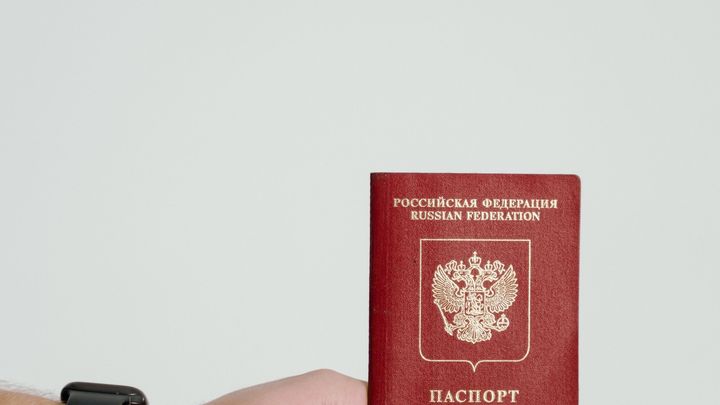
Most Nepali students don't need APS. APS (the Academic Evaluation Centre) is mandatory only for school or university certificates from India or China. If your +2 and bachelor's are both from Nepal, you don't need it. If any of them is from India, even with a Nepali passport, you need APS India, which costs INR 18,000 and takes weeks to months. The rule follows the certificate, not the passport.
The short version
- Nepali +2 and Nepali bachelor's: no APS.
- Any Indian certificate (a +2 or a degree from India): APS India is required, whatever your passport.
- Fee: INR 18,000, non-refundable. Start the month you decide on Germany; it's often the slowest step.
- German or European public scholarship holders are usually exempt. Check the APS FAQ.
- Two sources settle every APS question: the German Embassy Kathmandu study visa page and APS India's FAQ.
Who needs APS
| Your certificates | APS? |
|---|---|
| +2 and bachelor’s from Nepal | No |
| +2 from Nepal, bachelor’s from India | Yes, APS India |
| +2 from India, bachelor’s from Nepal | Yes, APS India |
| +2 and bachelor’s from India | Yes, APS India |
| Any certificate from China | Yes, APS China |
| German or European public scholarship holder | Usually exempt (check the FAQ) |
Why so many Nepali students get this wrong
Many Nepali students study in India, and many are told APS is “only for Indians”. It isn’t. APS India’s FAQ is clear that nationality doesn’t decide it: the place your certificate comes from does.
From our files. Sujata Neupane from Kathmandu had a BTech from a university in Bengaluru and planned to apply in January for April. Her degree is Indian, so APS India applied to her. We moved her start from the winter to the summer semester so APS finished first: she applied for APS four months before her deadline, was admitted for the summer semester, and her visa was approved in 6 weeks.
The APS India steps
| Step | What happens | Notes |
|---|---|---|
| 1. Register and pay | On the APS India website | INR 18,000, non-refundable |
| 2. Send documents | Certified copies as APS lists them | Exactly as listed, or the file is returned |
| 3. Verification | APS checks the documents with your institution | This is the slow part |
| 4. Interview or test, if required | For some applicants | Prepare your subjects |
| 5. Certificate issued | Sent to you, in the number of copies APS sets | Use it for uni-assist, universities and the visa |
Timing it against your semester
| You want to start | Start APS |
|---|---|
| Winter semester (October), applying by May to July | By January to March |
| Summer semester (April), applying by January | By August to October of the year before |
If you’re already late, choose the next semester, as Sujata did. A deferred start costs nothing; an incomplete visa file costs the appointment.
What else to check if you studied in India
- anabin: whether your Indian university and degree are rated for direct entry.
- Credits: whether your degree has enough credits in the subjects the master’s asks for.
- English: whether the university accepts your medium of instruction, or wants IELTS.
Our view
Most Nepali students can ignore APS entirely. The ones who can’t are usually the ones nobody told, until a month before the deadline. If any line of your education happened in India, check APS first, before you pay any application fee.